
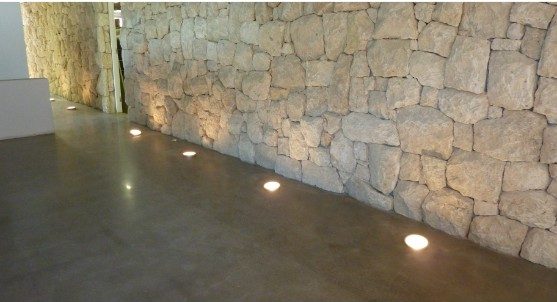
If you’re planning a renovation or managing a build, understanding concrete floor restoration cost in NSW is essential before you lock in a scope or quote. Whether you’re dealing with a tired slab in a home, a warehouse floor that’s seen better days, or a commercial space needing a refresh, restoration can often deliver a better result than replacement — at a lower cost and with less downtime.
This guide breaks down the main cost factors, common restoration methods, and what renovators and builders in NSW should expect when budgeting for concrete floor restoration. The aim is to help you make informed decisions, compare quotes properly, and avoid surprises once the work starts.
What Is Concrete Floor Restoration?
Concrete floor restoration is the process of repairing, resurfacing, and improving an existing concrete slab so it performs and looks better. Depending on the condition of the floor, restoration may include crack repairs, grinding, levelling, patching, polishing, sealing, or applying a protective coating.
For many NSW projects, restoration is a practical alternative to full slab replacement. It can improve appearance, extend the life of the floor, and prepare the surface for a new finish such as polished concrete or epoxy.
Concrete Floor Restoration Cost NSW: Typical Price Ranges
There’s no single price for concrete floor restoration because every slab is different. However, as a rough guide, costs in NSW can vary depending on the level of preparation and finish required.
- Basic cleaning and sealing: from around $25 to $45 per square metre
- Minor crack repairs and surface patching: from around $40 to $80 per square metre
- Grinding and resurfacing: from around $60 to $120 per square metre
- Polished concrete restoration: from around $80 to $180+ per square metre
- Heavy-duty commercial restoration: can exceed $200 per square metre depending on condition and specification
These figures are indicative only. The final quote will depend on the slab’s condition, access, size, finish type, and whether the job is residential, commercial, or industrial.
Key Factors That Affect Concrete Floor Restoration Cost NSW
1. Condition of the existing slab
The biggest cost driver is usually the condition of the floor. A slab with light wear, minor staining, and a few hairline cracks will cost far less to restore than one with deep spalling, moisture issues, or major structural damage.
If the floor has been neglected for years, more preparation work is needed before any finish can be applied. That means more labour, more materials, and a higher total cost.
2. Size of the area
Larger floors often have a lower cost per square metre because equipment setup and labour can be spread across a larger area. Smaller jobs may look cheaper overall, but the per-square-metre rate can be higher due to minimum call-out charges and setup time.
3. Type of restoration required
Not all restoration jobs are the same. A simple, clean, and sealed is much cheaper than full mechanical grinding, crack injection, levelling, and polishing. The more steps involved, the higher the price.
4. Desired finish
The finish you choose has a major impact on cost. A functional sealed floor is generally more affordable than a decorative polished finish with a high-gloss sheen. If you’re restoring a floor for a client-facing commercial space or a premium residential project, the finish standard will usually be higher — and so will the price.
5. Access and site conditions
Easy access means faster work and lower labour costs. Tight access, occupied buildings, multi-level sites, or floors with limited ventilation can all add complexity. In some cases, work may need to be staged after hours or around other trades, which can also affect pricing.
6. Location in NSW
Labour rates and travel costs can vary across NSW. Projects in metro areas such as Sydney may attract different pricing to regional or remote locations. Availability of specialist contractors can also influence the quote.
Common Restoration Methods and Their Cost Impact
Concrete grinding
Grinding removes surface imperfections, old coatings, adhesives, and contaminants. It’s often the first step in restoration and can be used to prepare the slab for sealing, polishing, or coating. The more aggressive the grinding required, the higher the cost.
Crack and damage repairs
Cracks, chips, and spalled areas need to be repaired before finishing. Small cosmetic repairs are relatively affordable, but widespread damage can significantly increase the budget. If the slab has movement-related cracking, a proper assessment is important before proceeding.
Levelling and patching
Uneven floors may need patching or levelling compounds to create a consistent surface. This is common in renovation work where old slabs have settled or where previous coatings have failed. Levelling adds both material and labour costs.
Sealing
Sealers protect the floor from moisture, staining, and wear. They’re a cost-effective way to improve durability and appearance, especially in garages, workshops, and utility areas. Penetrating sealers are usually cheaper than decorative or high-performance systems.
Polishing
Polished concrete is one of the more premium restoration options. It involves multiple grinding stages, densification, and polishing to achieve the desired sheen. While it costs more upfront, it can deliver a long-lasting, low-maintenance finish that suits both residential and commercial projects.
When Restoration Is Better Than Replacement
For many renovators and builders, restoration is the smarter option when the slab is structurally sound but visually tired or functionally underperforming. It can save time, reduce demolition waste, and avoid the disruption of a full replacement.
Restoration is often the better choice when:
- the slab is generally sound but has surface wear
- there are minor cracks or cosmetic defects
- the client wants a faster turnaround
- budget is important
- the existing slab has good potential for polishing or coating
Replacement may be necessary if the slab has major structural failure, severe moisture problems, or extensive movement that can’t be reliably repaired.
How Builders and Renovators Can Budget Accurately
To budget properly, start with a site inspection and a clear understanding of the floor’s current condition. A good contractor should assess the slab, identify defects, and explain the recommended restoration method before providing a quote.
When comparing quotes, make sure you’re comparing like for like. One quote may include grinding, repairs, and sealing, while another may only cover surface preparation. Ask for a detailed scope so you can see exactly what’s included.
It’s also wise to allow a contingency for unexpected issues. Hidden cracks, moisture problems, or old adhesive residues can all add to the final cost once the floor is opened up and properly assessed.
Questions to Ask Before Accepting a Quote
- What preparation work is included?
- Are crack repairs and patching part of the price?
- What finish system is being used?
- How long will the work take?
- Will the floor need downtime before it can be used again?
- Is the quote fixed price or subject to variation?
- What warranty or workmanship guarantee is provided?
These questions help avoid misunderstandings and make it easier to compare contractors on value, not just price.
How to Reduce Concrete Floor Restoration Costs
There are a few practical ways to keep costs under control without compromising the result:
- Address issues early before damage spreads
- Choose a finish that suits the use of the space
- Bundle restoration with other renovation works to reduce downtime
- Provide clear access and site preparation before the contractor arrives
- Get multiple quotes from specialists with relevant experience
In many cases, the cheapest quote isn’t the best value. A properly restored floor should last for years, so it’s worth investing in quality preparation and workmanship.
Why Professional Assessment Matters
Concrete floors can look straightforward on the surface, but hidden issues often affect the final outcome. Moisture, slab movement, previous coatings, and surface contamination can all influence the restoration method and cost.
A professional assessment helps determine whether the floor is suitable for polishing, sealing, or coating, and whether any repairs are needed first. This is especially important for builders and renovators working to a schedule, where delays can affect the broader project timeline.
Conclusion
Understanding concrete floor restoration cost in NSW helps renovators and builders plan smarter, quote more accurately, and choose the right solution for each project. While prices vary depending on the slab’s condition, size, access, and finish, restoration is often a cost-effective way to improve performance and appearance without the expense of full replacement.
If you’re managing a renovation or build in NSW, the best next step is a detailed site assessment and a clear scope of work. That way, you can confidently compare options and deliver a floor that looks great, performs well, and fits the budget.